
Schools in Border Districts Tighten Health Measures as Uganda–DRC Border Closes
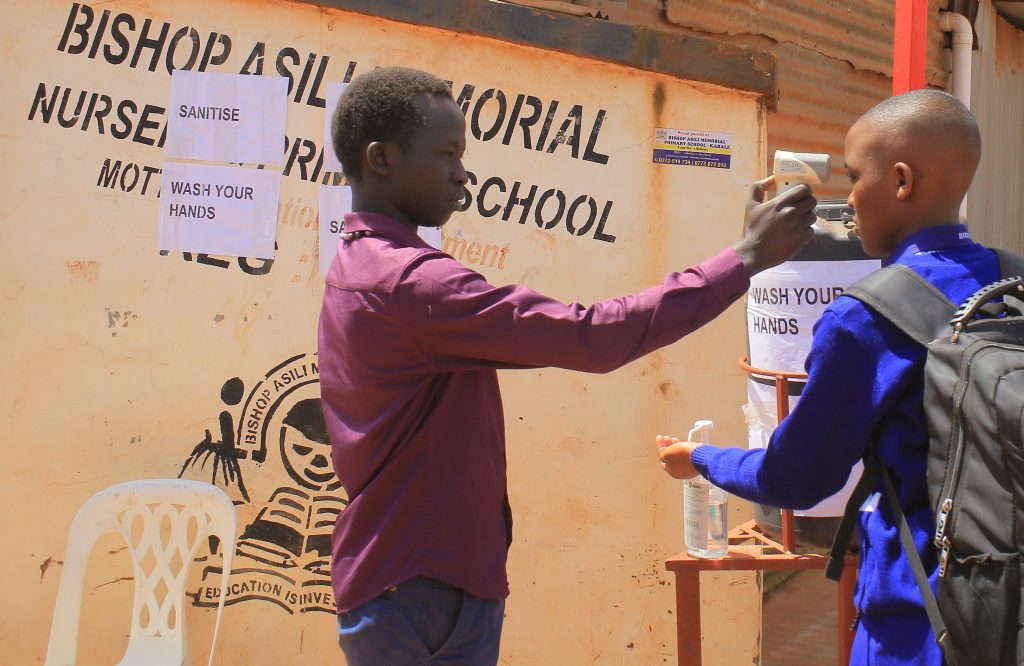
KABALE — Schools in Uganda’s border districts have intensified health and safety measures following the temporary closure of the Uganda–Democratic Republic of Congo border to non-essential travelers for four weeks.
The decision was announced by the National Taskforce after a meeting held yesterday as authorities moved to strengthen surveillance and containment efforts in high-risk areas.
Despite the border closure, schools in the affected districts will remain open under strict observance of the Ministry of Health Standard Operating Procedures (SoPs).
During an inspection tour of schools in the border districts and Kabale Municipality, officials confirmed that institutions were complying with the health guidelines issued by the Ministry of Health.
The schools visited included Bishop Asili Nursery and Primary School, St. Mary’s College Rushoroza, Kabale Brainstorm High School, and Kabale Trinity College.
At Bishop Asili Nursery and Primary School, Head Teacher Sr. Margaret Tusiime said the school had introduced several preventive measures, including the installation of handwashing facilities, establishment of isolation rooms, and restriction of visitors from accessing the school premises.
“We are committed to protecting our learners and staff by ensuring all Ministry of Health guidelines are followed,” she said.
At St. Mary’s College Rushoroza, Deputy Head Teacher Barigye Godfrey said the school had installed handwashing stations at all major entry points and acquired temperature guns for screening students and visitors.
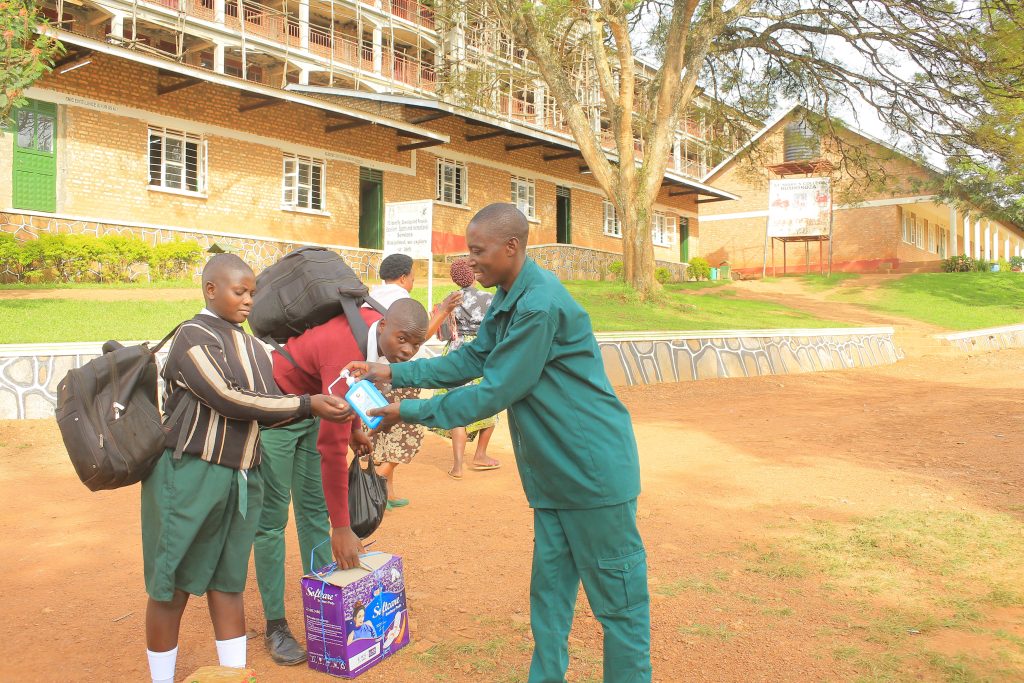
“We have restricted unnecessary movement into the school, increased regular disinfection of frequently touched surfaces, and advised students to avoid hugging and handshaking,” Barigye said.
Bernard Bikorwohangi, the Head Teacher of Kabale Brainstorm High School, said the school administration was strictly enforcing all Standard Operating Procedures issued by the Ministry of Health.
Meanwhile, health officials revealed that the number of confirmed cases remains at seven, although the number of contacts being monitored has increased.
Dr. Beda Senkware, a Regional Consultant at Kabale Regional Referral Hospital, described the Kigezi sub-region as a high-risk area because of its proximity to the DRC border.
“The health teams are doing everything possible to identify and manage suspected cases in the region,” Dr. Senkware said.
Authorities have urged schools and communities to remain vigilant and continue adhering to all preventive measures as surveillance activities continue across the region.




