
Ministry Calls for Urgent Action to Protect Lake Bunyonyi as Study Examines Water Colour Changes
The Ministry of Water and Environment has called for urgent interventions to address pollution, siltation and other environmental pressures threatening Lake Bunyonyi, warning that continued degradation could affect the lake’s water quality, ecological integrity and the livelihoods of surrounding communities.
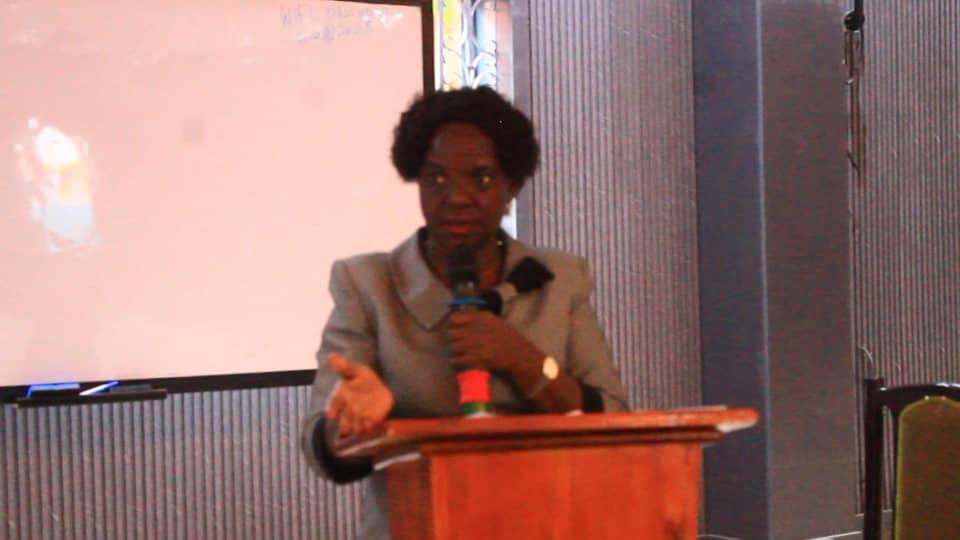
The call was made on Thursday during a stakeholders’ dissemination workshop at Heras Hotel in Kabale Municipality, where the Ministry presented findings from a study examining environmental challenges affecting Lake Bunyonyi, with particular emphasis on factors contributing to changes in the lake’s water colour.
The workshop brought together officials from the Ministry of Water and Environment (MWE), the National Environment Management Authority (NEMA), the National Water and Sewerage Corporation (NWSC), hotel managers operating around the lake, KAZARDI, development partners, and political and technical leaders from Kabale and Rubanda districts.
Other participants included LC III leaders, sub-county chiefs, Community Development Officers (CDOs) and agricultural officers from sub-counties bordering the lake in both districts.
Dr John Peter Obubu, the Assistant Commissioner in the Ministry’s Department of Water Quality Management, said poor waste disposal and heavy rainfall were among the factors raising concerns about the lake’s water quality.
He emphasised the need for proper waste management and protection of the lake’s catchment area to minimise pollution and safeguard the water body.
“There is need for proper waste management and protection of the lake’s catchment area to minimise pollution and safeguard the resource and surrounding area,” Obubu said.
The study’s findings were discussed against the backdrop of growing concerns about sediment accumulation, soil erosion and waste disposal, which stakeholders identified as key environmental challenges requiring coordinated intervention.
Lillian Idrakua, the Commissioner for Water Quality Management, warned that continued siltation could significantly alter the lake’s size, depth and shape within the lifetime of the current generation if urgent conservation measures were not implemented.
She said sediment accumulation was contributing to a reduction in the lake’s surface area and cautioned that failure to implement recommendations aimed at protecting the water body could worsen the situation.
Idrakua explained that continued sediment deposition could change the lake’s underwater depth and shape, a scientific measurement known as bathymetry.
She called on government agencies, local authorities, communities and other stakeholders to take responsibility for implementing the proposed conservation measures, emphasising that the central government could not protect the lake alone.
“The responsibility of protecting Lake Bunyonyi requires collective action from all stakeholders,” she stressed, urging the relevant institutions and communities to fulfil their respective obligations.
The concerns about water quality were also echoed by the National Water and Sewerage Corporation, which reported challenges associated with treating raw water.
Patrick Otim, the corporation’s manager in charge of Kabale, said deteriorating raw water quality was creating difficulties for water treatment operations.
He cited increased suspended solids, faecal contamination and changes in water colour among the concerns affecting treatment processes and the provision of safe water to communities.
The observations reinforced calls for regular water quality monitoring and stronger measures to prevent contaminants from entering the lake.
Stakeholders also raised concerns about wastewater disposal by hotels, cottages and other tourism facilities operating around Lake Bunyonyi.
Henry Tumwesigye Kamutooro, the Kabale District Natural Resources Officer, questioned how hotels around the lake were managing wastewater generated by their operations, warning of the potential consequences of improper disposal.
Jane Amumpeire, the Rubanda District Natural Resources Officer, called for increased funding for environmental conservation and urged owners of tourism facilities to actively participate in protecting the lake.
Nelson Atwongyeire Black, the Assistant Resident District Commissioner for Kabale District, called for sustainable waste management systems to address pollution and safeguard the water body.
The stakeholders recommended improved sanitation, regular monitoring of water quality, protection of shoreline buffer zones and stronger enforcement of environmental regulations.
They also called for greater involvement of farmers and surrounding communities in controlling soil erosion and preventing waste and sediments from entering the lake.
The dissemination workshop provided a platform for government institutions, local leaders, tourism operators and development partners to discuss the study findings and identify practical measures to address the environmental challenges facing the lake.
Participants emphasised the importance of coordinated interventions involving both Kabale and Rubanda districts, particularly because communities and activities across the lake’s catchment area contribute to the pressures affecting its environmental health.
Lake Bunyonyi is an important tourism destination in southwestern Uganda and supports the livelihoods of communities through tourism and other economic activities.
Stakeholders warned that continued pollution and siltation could undermine these benefits if the underlying causes of environmental degradation were not addressed.
They called for adequate funding, effective enforcement of environmental regulations and sustained collaboration among government agencies, local authorities, farmers, tourism operators and communities.
The Ministry emphasised that implementing the recommendations arising from the study would be critical to addressing the environmental pressures affecting Lake Bunyonyi and preserving its ecological and economic value for future generations.
ENDS




