
COMESA Countries Urged to Rein In Inflation Amid Intensifying Global Shocks
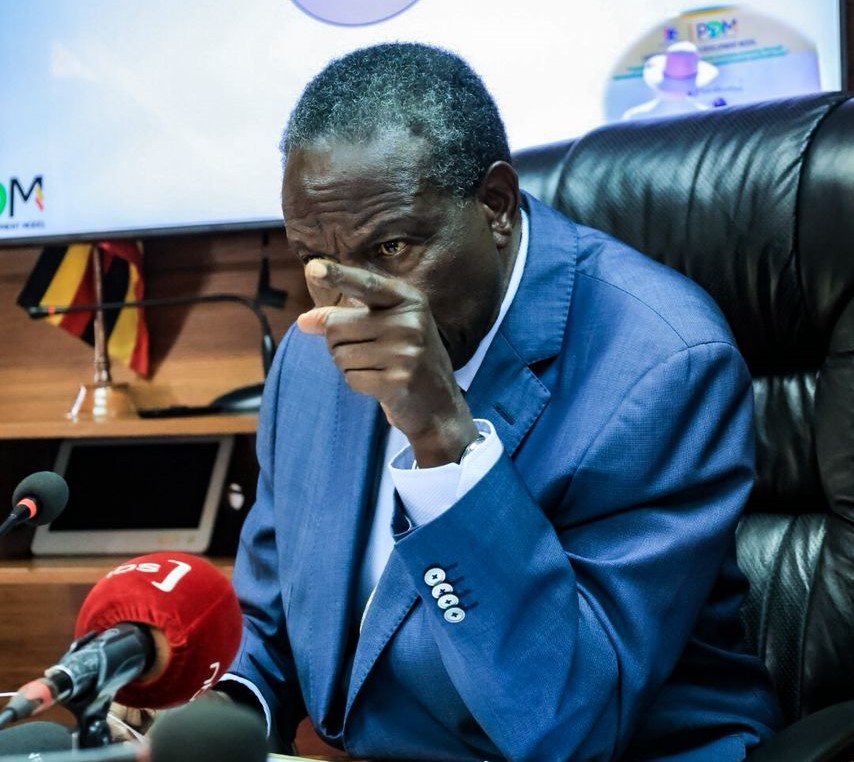
Kampala, Uganda — Central banks in the Common Market for Eastern and Southern Africa (COMESA) have been strongly urged to maintain low and stable inflation, even as their economies face mounting external pressures. The call came during the COMESA Central Bank Monetary Cooperation and Integration Symposium, held on November 20 in Kampala.
Inflation Risks in a Turbulent World
Uganda’s Finance Minister, Matia Kasaija, speaking through Deputy Treasury Secretary Patrick Ocailap, warned that member states remain vulnerable to volatile global conditions. He noted that many COMESA economies depend heavily on exports of commodities — making them especially exposed during boom-bust cycles.
“In the booming years, foreign exchange inflows rise … But when the bust happens, we are confronted with shaking currencies and dwindling reserves,” Kasaija said.
He Explained that price stability must remain a top priority. Without it, he argued, “all our other efforts … to lift our people out of poverty would be in vain.” Importantly, he made clear that focusing on inflation control does not mean neglecting growth or socio-economic transformation.
Coordinated Policy Needed
Kasaija urged COMESA central banks to stay flexible with their policy tools, especially during periods of global shock. But, he added, monetary policy alone will not suffice. He called for coordinated action between fiscal and monetary authorities. Through targeted fiscal support to vulnerable groups — without overburdening central banks — and through fiscal prudence, he said countries can better absorb the shocks.
He also stressed the importance of transparency and policy communication, saying that shared information and coordinated responses across COMESA could help prevent conflict and strengthen collective economic resilience.
Warning from Central Bank Leaders
Michael Atingi-Ego, Governor of the Bank of Uganda and chair of the COMESA Committee of Governors, also addressed the symposium. He cautioned that exogenous shocks — including geopolitical tensions, climate disasters, and global financial instability — pose “significant risks” to developing economies.
He noted that managing monetary policy is no longer just a technical exercise:
“In a crisis, our legitimacy rests on preserving stability and confidence. In recovery, it depends on ensuring growth does not compromise price stability.”
Atingi-Ego lauded COMESA member states for navigating past crises. He highlighted Uganda’s resilience, pointing to tight regulation, stress testing, and capital adequacy in its financial sector as critical to absorbing shocks. He also underlined the dual challenge of expanding financial inclusion — for example, via mobile money — while vigilantly managing the risks that come with it.
Regional Optimism, Despite the Storm
COMESA Secretary-General Chileshe Mpundu Kapwepwe expressed confidence in the region’s capacity to weather turbulence. She noted that intra-COMESA trade held steady at US$ 14 billion in both 2022 and 2023 — a sign of growing economic integration. She also pointed to the bloc’s “massive export potential” — an estimated US$ 101.1 billion — as a key asset for long-term resilience.
ENDS




