
Stakeholders Push for Stronger Multi-Sector Collaboration to Improve SRHR Access in Kigezi
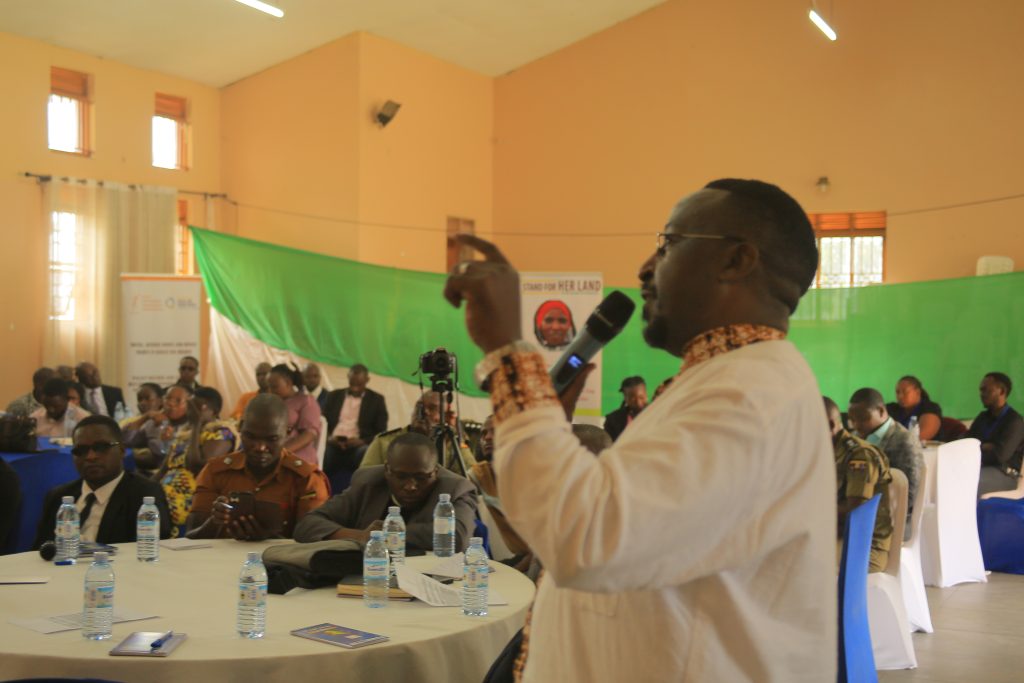
RUKIGA DISTRICT — Stakeholders in Rukiga District have renewed calls for stronger collaboration between the health sector, justice institutions, local governments, civil society organisations and communities to address persistent barriers to sexual and reproductive health and rights (SRHR) services across the Kigezi sub-region.
The call was made during a one-day stakeholder engagement meeting held in Rukiga District under the theme, “Breaking Barriers: Promoting Inclusive SRHR Access for the Poor and Marginalized.” The meeting reviewed findings from an assessment on the status of SRHR services and access to justice in the region.
Speaking at the meeting, the Executive Director of LOSCO, Albert Taremwa, said that although Uganda has progressive policies on sexual and reproductive health and human rights, many vulnerable people in Kigezi continue to struggle to access quality healthcare and justice services.
He said coordinated action among government institutions, development partners, civil society organisations and communities is necessary to ensure that no one is left behind.
According to Taremwa, the assessment identified several persistent challenges, including teenage pregnancies, gender-based violence, HIV vulnerabilities, weak referral systems, limited legal awareness and inadequate access to justice.
He noted that the unique geographical and social realities of Kigezi continue to compound these challenges.
“The mountainous terrain, remote rural settlements, cross-border migration, porous borders, poverty, climate-related vulnerabilities and the presence of Indigenous Batwa communities all contribute to inequalities in access to essential services,” he said.
The assessment also revealed moderate progress in maternal healthcare, with improvements in skilled birth attendance. However, delays in referral systems continue to affect timely access to emergency maternal care.
Family planning uptake has increased in recent years, but unmet needs remain high, particularly among adolescents and women living in hard-to-reach rural communities.
The report further identified Indigenous Batwa communities, rural women, adolescent girls, persons with disabilities, refugees, sex workers and women living with HIV among those most vulnerable to exclusion because of poverty, stigma, discrimination, long distances to health facilities, inaccessible infrastructure and limited knowledge of their legal rights.
To address these gaps, Taremwa called for increased investment in youth-friendly SRHR services, improved maternal and newborn referral systems, sustained availability of reproductive health commodities and expanded outreach services targeting underserved communities.
He also urged stakeholders to strengthen Family and Child Protection Units, expand legal aid services, promote survivor-centred investigations and trauma-informed justice approaches, while empowering Village Health Teams and community paralegals to improve legal literacy and community awareness of rights.
Meanwhile, Rukiga District Senior Probation Officer Pamela Kembabazi acknowledged that domestic violence remains a major concern in parts of the district, particularly in Kashambya and Kamwezi sub-counties.
She attributed many of the reported cases to excessive alcohol consumption and polygamous marriages, which she said often fuel family conflicts.
Kembabazi also highlighted cross-border marriages as an emerging challenge in Kamwezi, where women from neighbouring Rwanda marry Ugandan men.
She explained that differences in cultural practices and expectations have, in some cases, contributed to domestic disputes.
“It is true that domestic violence remains a challenge in some areas. We have intensified community sensitisation, and we shall continue engaging communities because the authorities are not sitting back,” she said.
On policing and access to justice, SSP Gilbert Mwebembezi, the Kigezi Regional Police Community Liaison Officer, reassured participants that the majority of police services are offered free of charge.
He clarified that while some services, such as obtaining certain police reports, attract official fees accompanied by receipts, routine policing services should not require payment.
Responding to concerns from participants who alleged that some officers demand money before offering assistance, Mwebembezi urged members of the public to report such incidents through the appropriate channels.
He also appealed to communities to strengthen cooperation with police, noting that logistical constraints, including shortages of patrol vehicles, can affect response times.
“We need communities to work closely with the police. Security is a shared responsibility, and despite the logistical challenges, services such as canine support remain completely free,” he said.
END///////




