Kigezi Must Rise Above Religious Sectarianism: Why Is President Museveni’s Message Falling on Deaf Ears?
Religious sectarianism is increasingly becoming a disturbing concern in the Kigezi sub-region, threatening the unity, social cohesion and development that the people of the region should be working hard to protect.
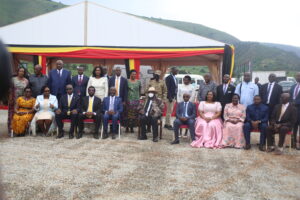
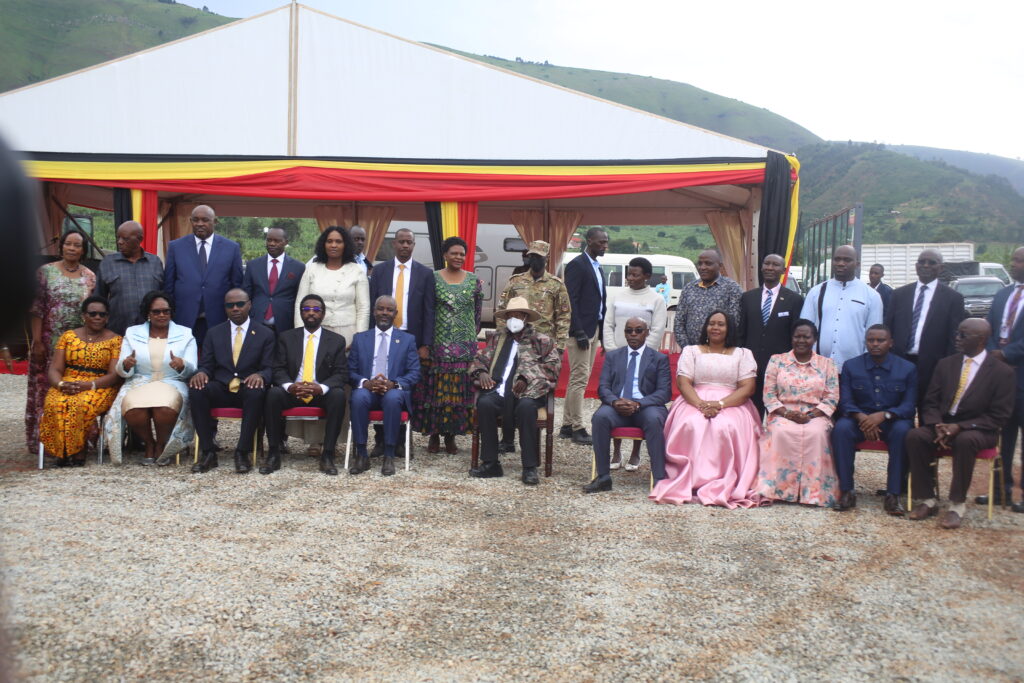
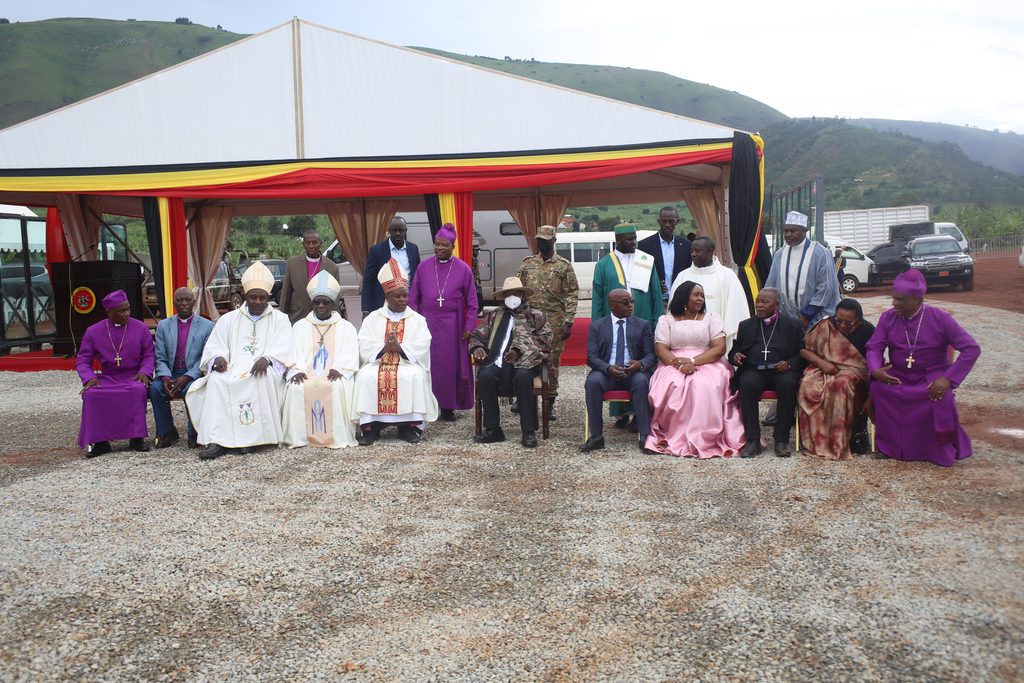
Over the weekend, President Yoweri Kaguta Museveni, while serving as the guest of honour at the thanksgiving ceremony hosted by Uganda’s Chief Justice, Justice Dr. Flavian Zeija, at Karama Primary School playground in Karama, Nyarushanje Sub-county, Rukungiri District, once again spoke out against religious sectarianism.
The President’s message was not new. He has repeatedly condemned religious divisions and warned against leaders who use faith to divide communities rather than unite them.
But the question that now demands an honest answer is: Are the people fueling religious sectarianism in Kigezi listening to the President, or has his message continued to fall on deaf ears?
The concern is particularly important because religious divisions appear to have become deeply rooted in some sections of the region, with the potential to influence leadership, public appointments, political choices and even access to opportunities.
On November 12, 2026, at St. Peter’s Cathedral, Rugarama in Kabale District, Maj. Gen. (Rtd) Kahinda Otafiire also spoke strongly against religious divisions during celebrations marking 40 years of the Kigezi Diocese Water and Sanitation Programme.
Otafiire urged Christians in Kigezi to put aside longstanding denominational differences and work together towards common development objectives.
He particularly expressed concern about divisions between Anglicans and Catholics, reminding believers that Jesus Christ left one faith and warning religious leaders against actions that scatter rather than unite Christians.
These remarks were another reminder that religious divisions are not simply a political concern but a threat to the social and spiritual foundations of the community.
Earlier, on November 26, 2025, President Museveni met journalists from the Kigezi sub-region at Irenga following his campaign tour ahead of the 2026 general elections. I was among the journalists who attended that engagement.
While addressing the press alongside senior government leaders, the President issued a strong warning against leaders promoting sectarianism, cautioning that those involved risked arrest, prosecution and removal from office.
His position was clear: Uganda cannot afford to allow religious differences to become instruments of political manipulation, discrimination and social conflict.
However, developments witnessed during the 2026 political season raised fresh concerns. There were accusations and perceptions of religious considerations influencing political support, with some leaders, including individuals in positions of responsibility, appearing to identify themselves with particular religious interests and candidates.
If such practices are allowed to continue, they risk undermining merit, fairness and public confidence in leadership.
Is religious affiliation influencing public employment in Kabale?
To understand the roots of this problem, we must move beyond political speeches and examine the structures within which religious discrimination may be taking place.
I take Kabale District as a case study. Kabale is one of the six districts that form the Kigezi sub-region and has historically played an important role in the region’s political, religious and administrative affairs.
One of the critical questions that deserves investigation is whether public employment in Kabale District Local Government reflects fairness and equal opportunity across the different religious communities.
Are recruitment and promotion decisions based strictly on qualifications, competence, experience and established public service procedures? Are people from different religious backgrounds adequately represented in positions of responsibility?
Who has the greatest influence over decisions involving recruitment, appointments and promotions? Are these decisions being made transparently, or are religious affiliations quietly influencing who gets opportunities?
These are serious questions that should not be dismissed as mere complaints. They deserve an independent, evidence-based investigation.
We must also ask whether people from certain religious backgrounds are being overlooked despite possessing the necessary academic qualifications and professional experience.
If there is no religious discrimination, the relevant authorities should be able to demonstrate this through transparent recruitment records, staffing data and clear employment procedures.
The same scrutiny should extend to other public institutions operating in Kabale District. Who occupies the senior decision-making positions? Are appointments based on merit? Do all communities have equal opportunities to serve?
Public institutions belong to all Ugandans, regardless of their religious beliefs. No religious denomination should feel that government offices are the preserve of another.
In my engagements with Hajji Isa Tindyebwa, Chairperson of the Kabale Muslim District Council, concerns have also been raised about the perceived limited representation of Muslims in higher leadership and decision-making responsibilities.
Such concerns deserve attention from the relevant authorities.
The Muslim community, like the Anglican, Catholic, Pentecostal and other religious communities, is part of the wider Kigezi society. Its members have the right to participate in public affairs and compete for leadership positions on equal terms.
The issue should not be about demanding positions for particular religious groups regardless of competence. Rather, it should be about ensuring that no qualified person is denied an opportunity because of their faith.
Religious balance must never become an excuse to abandon meritocracy. Instead, fairness, equal opportunity and professional competence should guide every public appointment.
Why do some leaders continue to promote sectarianism?
This is perhaps the most important question.
What do individuals gain from dividing communities along religious lines? Is it political influence, access to leadership, control of institutions, employment opportunities or personal recognition?
In some circumstances, religious identity can become a convenient tool for mobilising support, securing political loyalty and creating networks of influence.
A leader who cannot convince people through performance, integrity and a development agenda may find it easier to appeal to religious identity.
But this approach is dangerous. It encourages citizens to judge leaders not by their ability to deliver services but by the churches or mosques they attend.
It also creates an environment where qualified individuals can be overlooked while less competent people gain influence simply because they belong to a favoured religious group.
The long-term consequences are damaging. Communities become suspicious of one another, public institutions lose credibility, and development takes a back seat to religious competition.
For Christians, Galatians 3:28 offers a powerful reminder of unity:
“There is neither Jew nor Gentile, neither slave nor free, nor is there male and female, for you are all one in Christ Jesus.”
This scripture should challenge Christians who use denominational differences to discriminate against fellow believers.
Similarly, the teachings of other faiths emphasise justice, tolerance, respect and peaceful coexistence.
No one should use religion as a weapon against another person. Faith should inspire people to serve humanity, promote peace and work for the common good.
Kigezi must remember that before people identify themselves as Anglicans, Catholics, Muslims, Pentecostals or members of other religious communities, they are first citizens and neighbours with shared development interests.
President Museveni should go beyond warnings
I was born in the same year President Museveni assumed power in 1986. Having grown up hearing accounts of the political and religious divisions that characterised earlier regimes, I recognise the importance of maintaining national unity and equal treatment of citizens.
The President deserves credit for consistently speaking against sectarianism and advocating national cohesion.
However, the challenge before his government is to ensure that these messages translate into practical action.
Warnings alone may not be sufficient if the individuals accused of promoting religious divisions continue to exercise influence without accountability.
I therefore appeal to President Museveni to consider sending an independent team to the Kigezi sub-region to investigate allegations of religious discrimination and sectarian influence in public institutions.
The investigation should examine recruitment, promotions, appointments to leadership positions and the conduct of political, religious and administrative leaders.
It should establish whether public opportunities are distributed fairly, whether recruitment procedures are followed and whether any individuals are using their offices to advance religious interests.
The exercise should not target any particular denomination. It should protect every religious community and hold accountable anyone found to have abused their position to promote discrimination.
Where evidence of wrongdoing is established, appropriate action should follow.
Kigezi belongs to all of us
The future of Kigezi cannot be built on religious competition. It must be built on unity, fairness, competence and a shared commitment to development.
Anglicans, Catholics, Muslims, Pentecostals and people of other faiths all have a stake in the region’s future. No single denomination should claim ownership of leadership, employment opportunities or public institutions.
Our public offices should reflect the principles of equal opportunity, while appointments should be guided by merit, integrity and professional competence.
Religious leaders also have a responsibility to preach reconciliation rather than division. Political leaders must demonstrate that leadership is about serving everyone, not rewarding members of one’s religious community.
President Museveni has spoken. General Otafiire has spoken. Religious and community leaders must now speak through action.
But more importantly, those entrusted with public responsibility must demonstrate that they understand the danger of sectarianism and are willing to confront it.
We cannot continue condemning religious divisions at public functions while allowing discrimination and intolerance to flourish in our institutions and communities.
Kigezi needs unity, not religious supremacy; fairness, not favouritism; and development, not denominational competition.
The time has come to move from speeches to action.
The question is no longer whether religious sectarianism is dangerous. The question is who is fueling it, who is benefiting from it, and what concrete steps are being taken to stop it before it tears our society apart.
The writer is a Senior Journalist and LC II Chairperson of Katookye Parish, Kyanamira Sub-county.
EDS/////////