
TB Fight Boosted as Kabale Hospital Receives Mobile TB Lab and Clinic Van
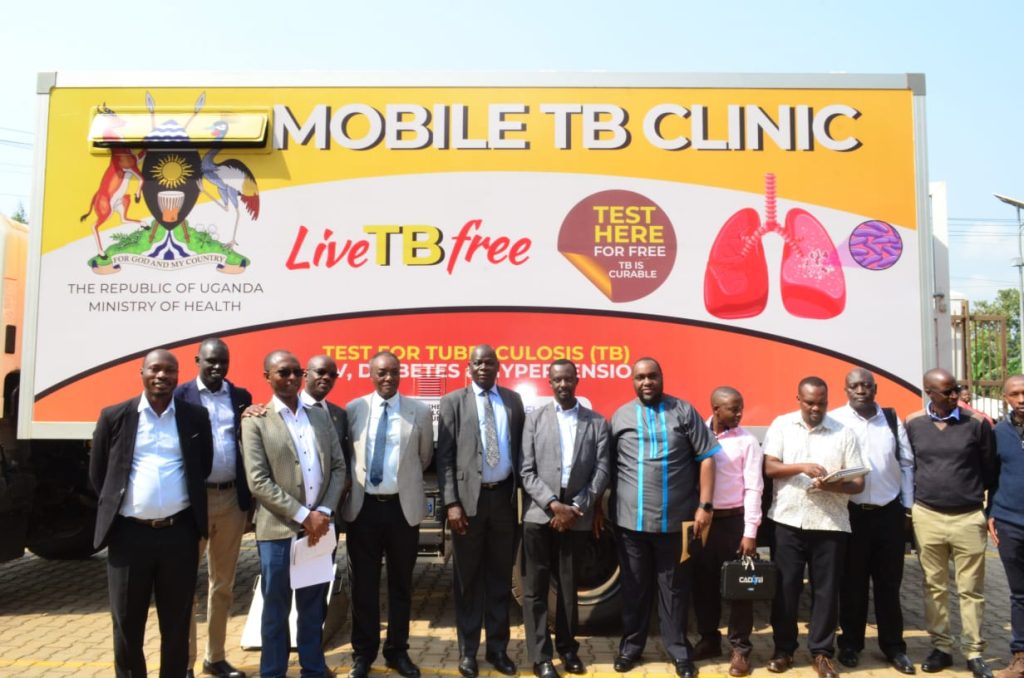
Kabale Regional Referral Hospital has received a mobile tuberculosis (TB) laboratory and clinic van in a major boost to efforts aimed at combating TB, especially among hard-to-reach and underserved communities in the Kigezi region.
The mobile unit is expected to significantly improve TB diagnosis, testing, and treatment in districts characterized by difficult terrain. Much of the region is hilly, a challenge that has long forced patients to walk long distances to access health services, often leading to delayed diagnosis and treatment.
Speaking during the handover ceremony at the hospital on Tuesday, the Regional TB and Leprosy Supervisor, Dr. Hector Tebeihaho, said tuberculosis remains a serious public health concern in Uganda. He revealed that out of every 100,000 people, about 197 are expected to have TB, with approximately 11,000 TB patients registered nationwide each year. Dr. Tebeihaho noted that TB cases continue to rise annually, underscoring the need for improved outreach and diagnostic services.
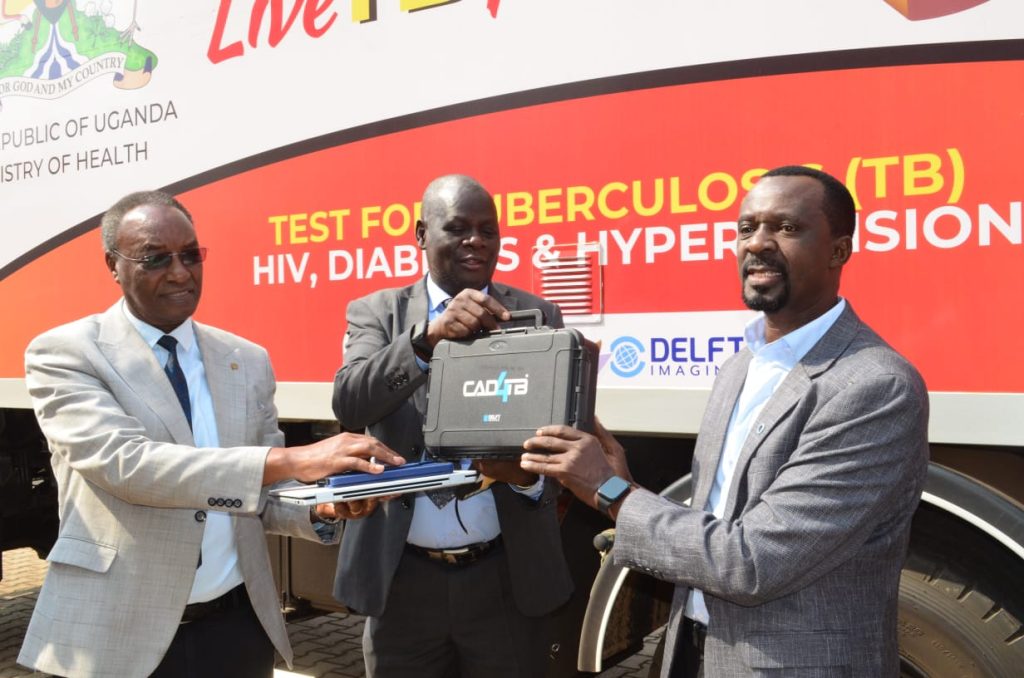
Dr. Gerald Mutungi, the Assistant Commissioner in charge of Communicable Diseases at the Ministry of Health, described TB as a deadly disease that often goes undiagnosed. He explained that many people suffer from persistent coughs but fail to seek testing, leading to delayed diagnosis and continued transmission within communities. Dr. Mutungi urged health workers to intensify community outreach programs, particularly in remote areas, to ensure early detection and treatment of TB. He added that many patients only report to health facilities when the disease is already advanced and harder to manage.
Meanwhile, the Chairperson of Kabale Regional Referral Hospital, Dr. Muhunde Anania, called on health workers to use government-provided equipment responsibly and strictly for public service. He warned against bribery and the exploitation of patients, emphasizing the importance of integrity and professionalism in healthcare delivery.
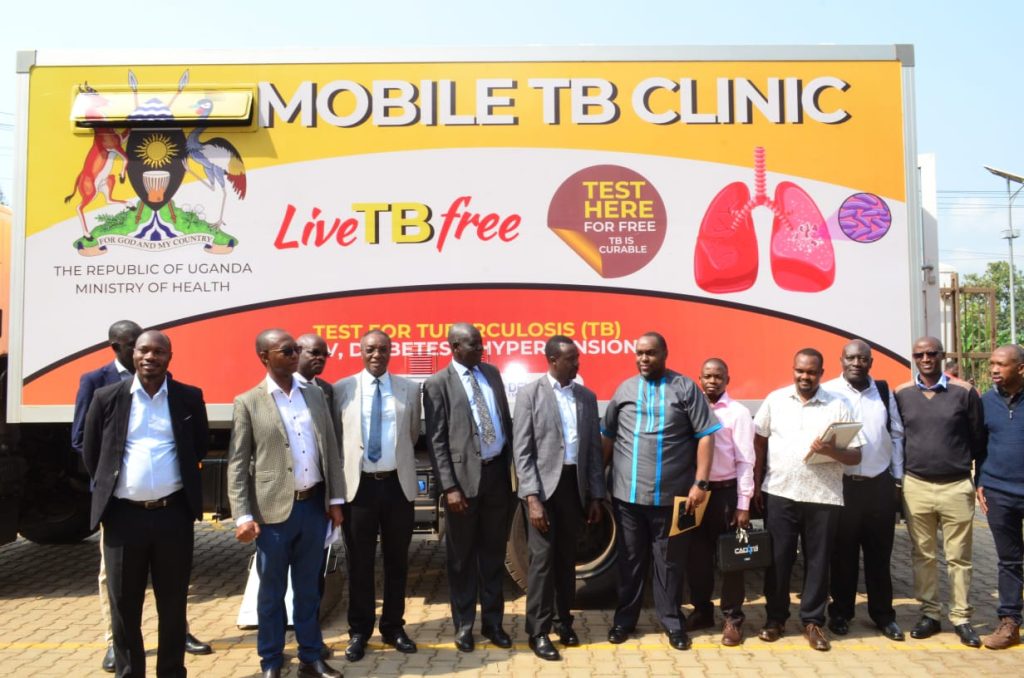
Kabale Regional Referral Hospital serves six districts in the Kigezi region and also receives patients from neighboring countries, including the Democratic Republic of Congo and Rwanda, owing to its strategic location in a border district.
Health officials expressed optimism that the mobile TB laboratory and clinic van will strengthen early diagnosis, reduce transmission, and improve treatment outcomes, particularly among vulnerable populations in remote communities




