Kabale Secondary School Emerges as a Leading Education Force in Western Uganda
Summary:When he assumed office, the school had an enrollment of only 500 students. Today, that figure has more than tripled to 1,590 students, reflecting growing confidence among parents and the wider community.
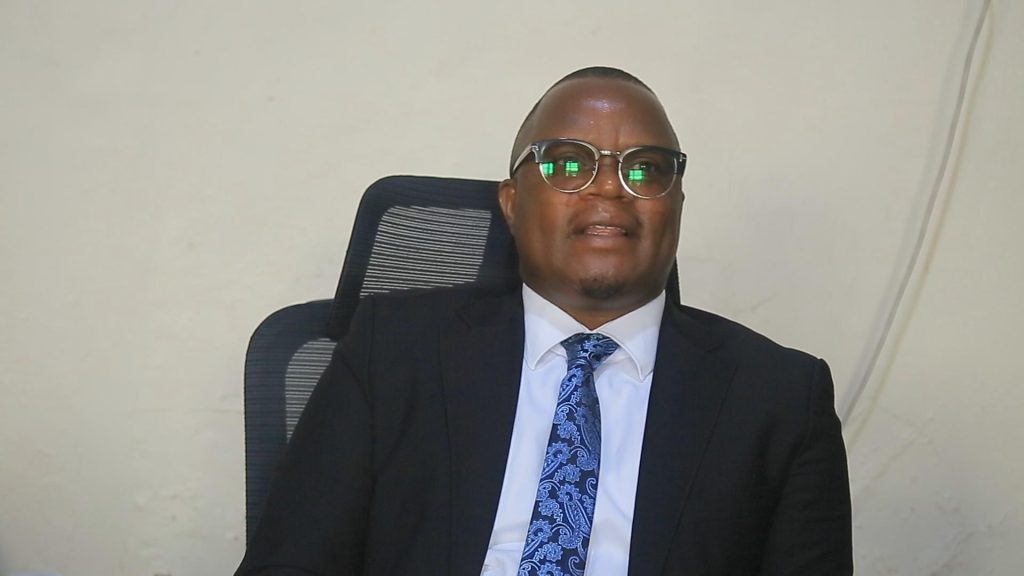
KABALE – Once regarded as an underperforming school with declining enrollment and poor academic results, Kabale Secondary School has undergone a remarkable transformation under the leadership of Head Teacher Byaruhanga Amon Mwesigye, positioning itself among the leading government schools in the Kigezi sub-region.
Established by the Government of Uganda in 1980, Kabale Secondary School is a government-aided institution operating under the Universal Secondary Education (USE) programme. For years, the school struggled with low enrollment and unsatisfactory academic performance. However, a new chapter began in 2022 when Mr. Mwesigye, formerly a teacher at Ntare School, was appointed head teacher.
When he assumed office, the school had an enrollment of only 500 students. Today, that figure has more than tripled to 1,590 students, reflecting growing confidence among parents and the wider community.
Speaking about the school’s turnaround, Mr. Mwesigye attributed the success to a strong focus on discipline, adherence to the national curriculum, and improved academic performance.
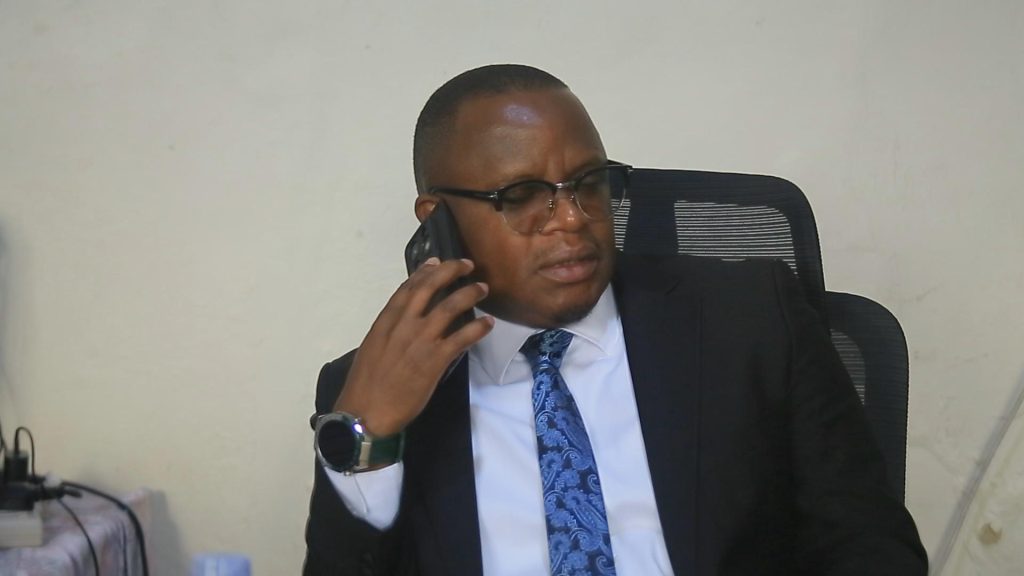
”When I joined the school in 2022, we had only 500 students. In that same year, we registered six first grades in the Uganda Certificate of Education examinations after a long period without such results. Parents were impressed by the performance, and enrollment increased from 500 to 880 students. We continued emphasizing discipline, reducing loitering in town, and following curriculum guidelines, which has brought us to the current enrollment of 1,590 students,” he said.
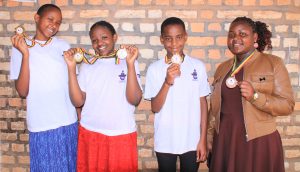
The school’s achievements have extended beyond academics. This year, Kabale Secondary School emerged as the overall sports champion in Kabale District, with both the boys’ and girls’ teams winning major competitions and outperforming rival schools.
Under Mr. Mwesigye’s leadership, the school has also undergone significant infrastructural development. A perimeter wall has been constructed, buildings renovated, and learning facilities improved. The school has established a second computer laboratory and expanded library services by creating separate libraries for Ordinary and Advanced Level students.
Much of this development has been supported through government capitation grants and a special government contribution of Shs100 million, which has helped improve key school facilities.
Despite the progress, the head teacher highlighted several challenges facing the institution. Rapid growth in enrollment has created pressure on the available infrastructure, leading to shortages of classroom space and other facilities.
The school currently has 61 teachers, but only about 35 are employed and paid by the government. The remaining teachers are supported using the school’s limited resources.
”The biggest challenge we face is inadequate space and classroom facilities to accommodate the increasing number of learners. We also have a staffing challenge because only a portion of our teachers are on the government payroll, yet we must continue paying the others from the little resources available,” Mr. Mwesigye explained.
He nevertheless expressed optimism about the future of the school and urged parents to continue entrusting Kabale Secondary School with the education of their children.
”Kabale Secondary School is now one of the best-performing schools in the Kigezi region. We are committed to providing quality education, discipline, and holistic development for our learners. Parents should have confidence in us,” he said.
As enrollment continues to rise and performance improves, Kabale Secondary School’s transformation stands as a testament to the impact of strong leadership, community trust, and government support in revitalizing public education institutions.
END